
Threshing System Parts for Combine Harvesters
The threshing system separates the grain from the straw: the rotating cylinder with rasp bars or threshing teeth rubs the crop against the concave, knocking the grain loose. Grain falls through to cleaning, while straw and unthreshed tailings move on to the beaters, straw walkers and re-threshing auger. Because the cylinder and concave carry the full crop flow under heavy load, their rasp bars, teeth and grates are major wear parts. We supply rasp bars, threshing teeth, concaves, beaters, tailings/impurity augers, belts, bevel gears and tensioners for Kubota, FM World, Lovol, Yanmar and Zoomlion combines, in several quality grades with ready stock. Send your part list or a photo and we quote the whole order at once.
Parts in the Threshing System
Cylinder & Rasp Bars
Rasp bars, threshing teeth, tooth bars, drum discs
ViewConcaves
Concave grates, concave screens, front/rear concave
ViewBeaters & Straw Walkers
Beaters, straw walkers/racks, beater shafts
ViewRe-thresher & Tailings Augers
Tailings/impurity augers, re-threshing housing, return augers
ViewBelts, Gears & Drive
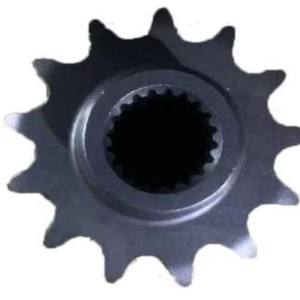
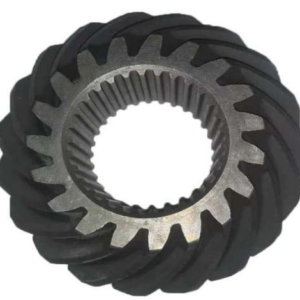
Threshing belts, bevel gears, chain wheels, pulleys, tensioners
ViewPopular Threshing Wear Parts
Fits These Combine Brands & Models
Showing 1–12 of 104 results


How to Choose Threshing Parts
Identify the cylinder type
Rasp-bar cylinders suit small grains with gentle threshing; spike-tooth cylinders are more aggressive for damp or tangled crops. Confirm which type the machine uses before ordering bars or teeth.
Match the concave to the crop
Concave design and bar spacing set how cleanly the grain separates. Use the correct concave and cylinder-concave clearance to avoid cracked or unthreshed grain.
Confirm model and part number
Cylinder width and concave size follow the machine model and header size. Quote the stamped part number or send the nameplate and a photo of the worn part.
Choose the wear grade
Rasp bars and concave grates come in different steel and hardfacing grades; pick heavier-duty grades for large acreage or abrasive conditions.
Replace in matched sets
Worn rasp bars are best replaced as a balanced set, with concaves checked at the same time, to keep the cylinder running true and avoid vibration.
Frequently Asked Questions
What does the threshing system do?
What is the difference between a rasp-bar and a spike-tooth cylinder?
How do I reduce cracked or unthreshed grain?
When should rasp bars and concaves be replaced?
Do you supply re-thresher and tailings auger parts?
Are these genuine OEM parts?
Need threshing parts or a bulk quote?
Send your model and part list — we reply fast with stock, prices and shipping.