
What is the Conveyor Slat Chain Harrow?
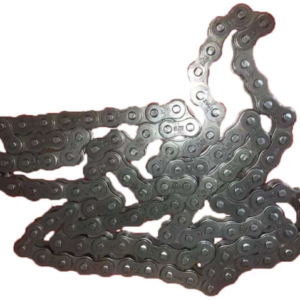
RGV3108010009 identifies the slat chain harrow that runs inside the Lovol RG header conveyor. The reference comes from a stored Lovol part record. Extracted catalogues describe chain and slat chain harrow assemblies but do not resolve this exact number to a single illustrated line, so link count and fittings must be confirmed against the chain being replaced.
Evidence and ordering facts
| Part Number | RGV3108010009 |
|---|---|
| Part Type | Conveyor Slat Chain Harrow |
| Brand | Lovol |
| Machine System | Header Conveyor Chain Run |
| Evidence Source | Previously filed Lovol reference RGV3108010009 |
| Evidence Boundary | Extracted RG catalogues carry chain and slat chain harrow sections; this exact reference was not matched line by line |
| Ordering Check | Count links and compare slat spacing, attachment style and end fittings with the worn chain |
Role in the header conveyor chain run
The chain travels around the conveyor floor and carries cut crop from the header toward the feeder opening. Slats grip the crop layer so it moves as a steady mat instead of sliding or bunching, and chain tension keeps the run aligned on its sprockets while the header is working.
Wear and fault symptoms
Signs of a worn run include a chain that climbs or jumps the sprocket, slats that are bent, torn off or missing, a run that hangs slack and slaps the floor, uneven crop feed with surging at the feeder, straw wedging at the ends, or a stretched chain that no longer adjusts within its tension range. A misaligned sprocket or a bent floor plate can imitate chain wear.
Fitment and ordering check
Before ordering RGV3108010009, lay the removed chain out and count links, then compare slat spacing, the way each slat is attached and the end fittings. Wear at every pin means the whole run is finished; wear at one or two links often points to a sprocket or a jammed section that should be corrected at the same time.
Repair planning notes
Clear crop from the header and isolate the drive before removal, following the service procedure. Check both sprockets for tooth wear and alignment, and inspect the floor and guide rails for bent or raised sections that would damage a new chain. Set tension as specified, run the conveyor slowly with the header raised, and watch for the chain tracking straight before returning to the field.
Open the header and conveyor category for the surrounding feed and conveying parts, then follow these linked entries: Feed Plate Weldment – DV01201080002, Vertical Auger Weldment – RGV4301030031a.