
What is the HST Hydrostatic Transmission 50cc?
HST-50CC is listed as the hydrostatic transmission reference for Lovol RG travel drive. The 50cc wording is taken from the existing part name and is used for identification only; this page does not publish a verified displacement, pressure or flow rating, and the extracted catalogues do not contain an exact line for the number.
Evidence and ordering facts
| Part Number | HST-50CC |
|---|---|
| Part Type | HST Hydrostatic Transmission 50cc |
| Brand | Lovol |
| Machine System | Hydrostatic Travel Drive |
| Evidence Source | Saved Lovol HST entry for this reference |
| Evidence Boundary | The catalogue text mentions HST and hydrostatic drive sections without an exact HST-50CC line |
| Ordering Check | Match the removed HST unit on control layout, port positions and mounting flange |
Role in the hydrostatic travel drive
The hydrostatic unit converts engine power into controlled hydraulic flow that drives the travel motor, giving stepless speed change without a mechanical gear shift. Speed and direction follow the swashplate control, so the machine can creep in a wet field or move quickly on a road by changing displacement rather than gear ratio.
Wear and fault symptoms
Reported faults include no travel movement, slow travel that worsens on a slope, a whine or growl from the unit, weak response to the control lever, drift to one side, oil leaking at the shaft or fittings, overheating and dark oil, or a drive that stops after a short period of work. Low charge pressure, a clogged filter, air intake, a worn control linkage and a failing motor are equally likely causes.
Fitment and ordering check
Before ordering HST-50CC, compare the removed unit on control lever layout, port positions, mounting flange and shaft connection, and record the machine reference. A unit that looks similar but differs at the control or ports will not connect to the existing plumbing even if the housing shape matches.
Repair planning notes
Diagnose the circuit before replacement: check oil level and filter condition, look for air entry on the suction side, verify the control linkage moves fully, and follow the service procedure for charge and relief checks. Clean the surrounding area, cap open ports, and keep contamination out during the swap. After fitting, purge air per procedure, test slow travel first, then load travel, and confirm the oil temperature and noise level settle before field work.
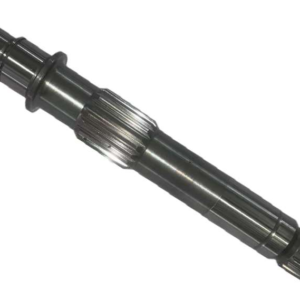
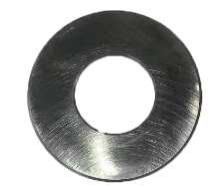
See the HST and hydraulic drive category for neighbouring drive parts, then review the linked shaft and friction plate entries: Transmission Input Shaft – DV01402010067, External Friction Plate – DV01402010096.